
Few places carry as much history in gold as Istanbul’s Grand Bazaar (Kapalıçarşı). Construction of its core began in the fifteenth century, soon after the Ottoman conquest of Constantinople, and the market grew into a covered city of streets, courtyards and thousands of shops. Its jewellers’ street, Kuyumcular Çarşısı, remains one of the busiest gold trading areas in the region.

A culture measured in “ayar”
In Türkiye gold purity is described in ayar, the Turkish word for karat. The most traditional jewellery gold is 22 ayar (91.6% gold), prized for its warm colour and resale value. Lighter, harder 14 ayar (58.5%) and 18 ayar (75%) are popular for fashion pieces and settings with stones. Reputable jewellers stamp the purity on each piece.
Techniques that define Turkish gold
- Filigree (telkari): fine twisted wire shaped into lace-like patterns, a craft associated with towns such as Mardin and Trabzon.
- Hand engraving: floral and geometric motifs inspired by Ottoman tiles and architecture.
- Chain making: from dense “Kazaz” style braids to light Singapore chains.
- Coins: Turkish gold coins — quarter, half and full — are both savings and gifts.
Shopping in the bazaar
Prices for gold jewellery in Istanbul usually combine the day’s gold value with a labour charge (işçilik). Ask for both numbers separately, check the ayar stamp, and always request an invoice. Comparing two or three shops is normal and expected.
Where Royal Intergold fits in
Royal Intergold brings together two great gold cultures: Thailand’s 96.5% tradition and Türkiye’s 22 ayar craft. In our Istanbul store you can see Turkish filigree and bridal sets beside our Thai collections. You can also explore pieces like our Turkish filigree bracelet online and request a personal quote — no account needed.
 Bracelet BR1067
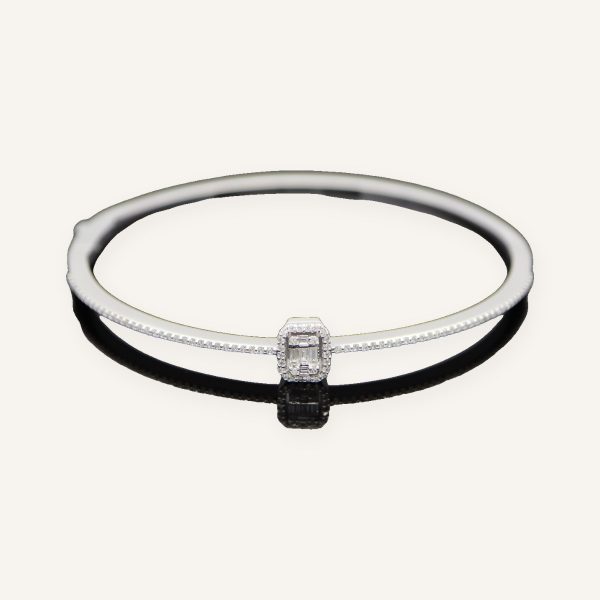 Bangle BG0114
 Earrings ER0365


