Royal Intergold works in two of the world’s most passionate gold cultures. Thai and Turkish gold jewellery share a love of high purity, but they look — and feel — different.
Purity at a glance
- Thai gold: 96.5% gold, sold by weight in baht.
- Turkish gold: most often 22 ayar (91.6%), with 14 and 18 ayar for lighter or stone-set pieces; sold by grams.
Thai 96.5% gold has a slightly richer orange-yellow tone. Turkish 22 ayar is a warm, bright yellow.
Design language
Thai gold is famous for its chains: solid, flexible patterns with names that families know well, along with smooth bangles and lucky charms and amulet frames. Designs tend to be bold and weight-focused, because the gold itself is the store of value.
Turkish gold leans toward ornament. Filigree, hand engraving, Ottoman-inspired motifs, coin jewellery and elaborate bridal sets are typical. Even heavy pieces are often made to look lacy and detailed.
How each is priced
Both combine the day’s gold value with a labour charge. In Thailand, the reference price for 96.5% gold is announced by the Gold Traders Association; in Türkiye, prices follow the gram gold rate. Intricate Turkish work generally carries a higher labour charge than a simple Thai chain.
Which should you choose?
- For savings you can wear: a Thai chain or plain bangle.
- For a statement or a bridal look: Turkish filigree or engraved sets.
- For gemstones and diamonds: 18K settings from either tradition.
See both styles side by side in our collection, visit our stores in Bangkok and Istanbul, or request a quote for a custom piece.
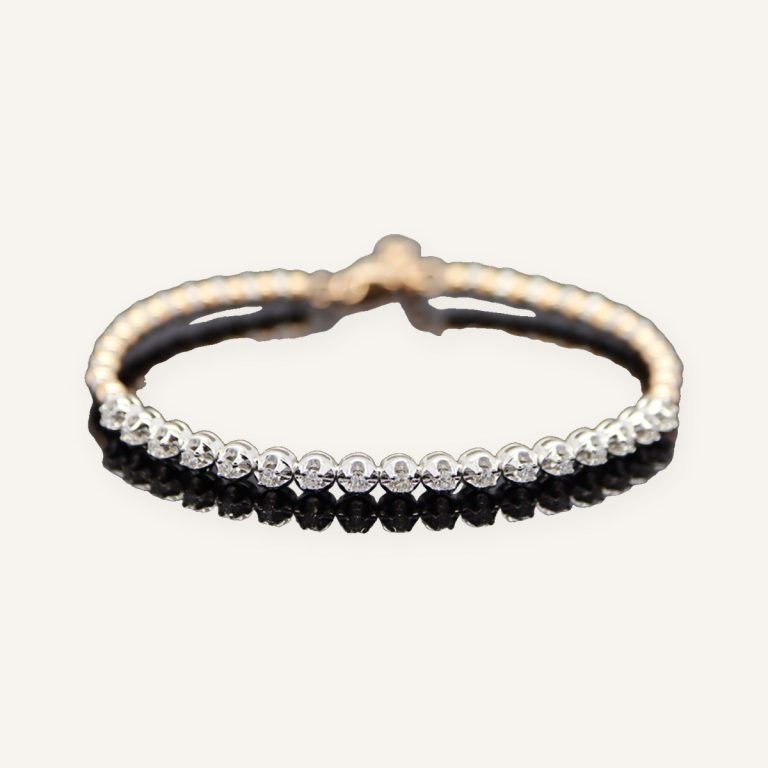
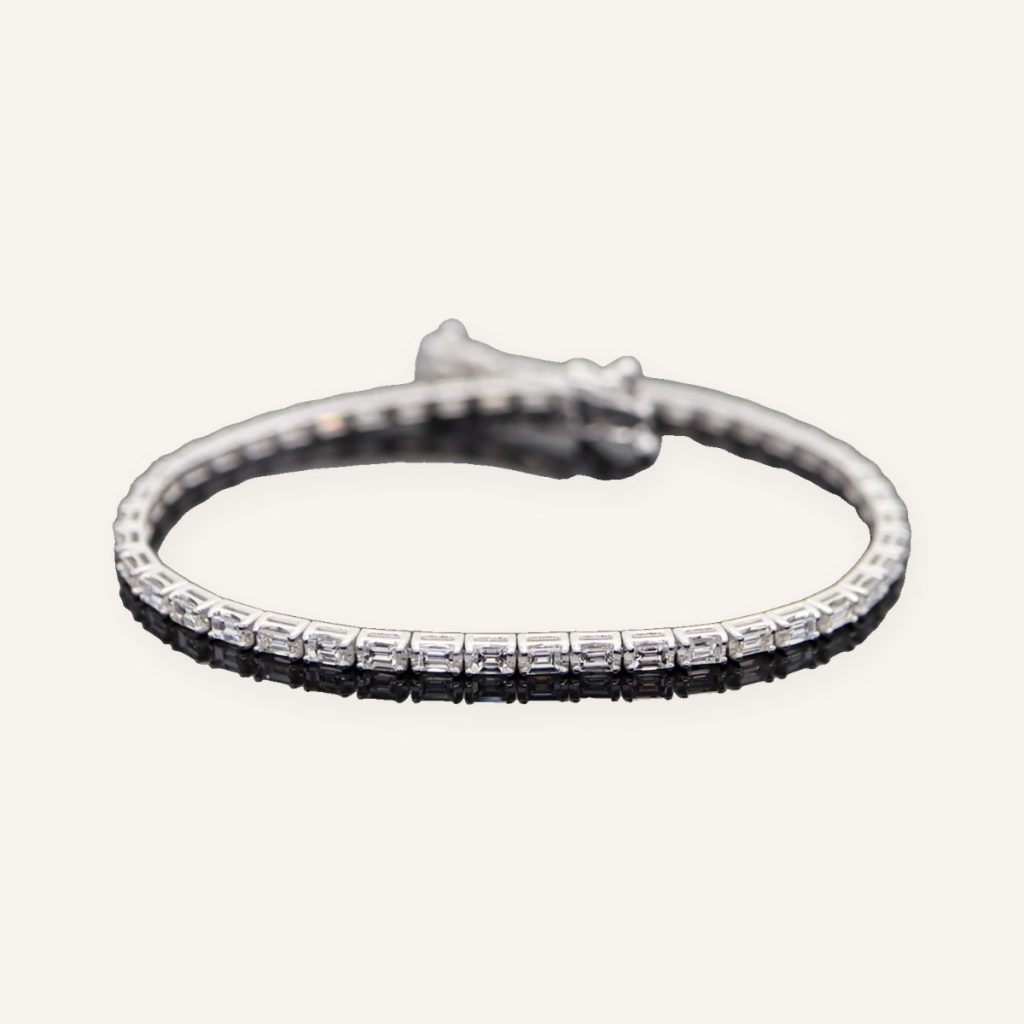
 Bracelet BR0105
 Bangle BG0056
 Pendant PD1183